


A remarkable development has brought renewed focus to the enduring legacy of Moroccan Judaism. For over six decades, the precise locations of the tombs of three celebrated rabbis from the 17th and 18th centuries remained a mystery. Now, in the historic northern Moroccan city of Tétouan, a site designated by UNESCO as a World Heritage site, these significant burial places have been successfully rediscovered. The identification of the tombs belonging to Rabbi Jacob Ben Malca, Rabbi Hasday Almosino, and an ancestor of Rabbi Jacob Marrache has sparked considerable excitement and a invigorated commitment to the excavation and preservation of the over 500-year-old Jewish cemetery.
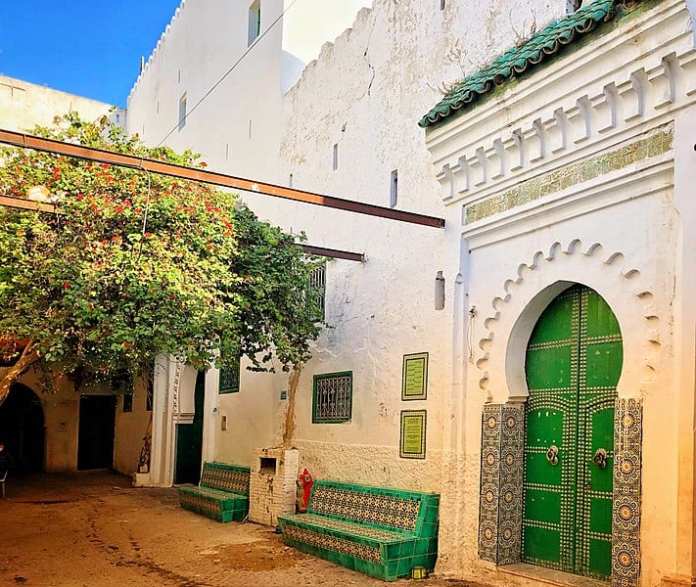
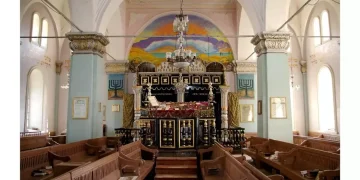
The Jewish cemetery in Tétouan stands as a silent testament to the long and rich history of the Jewish community in this region. Its age, spanning over five centuries, speaks to a continuous presence and a vibrant past. The rabbis whose tombs have been rediscovered represent different facets of this historical community.
Rabbi Hasday Almosino, a native son of Tétouan.
Rabbi Jacob Ben Malca, a figure of immense scholarly repute and a highly respected religious judge, made a significant move from the intellectual center of Fez to Tétouan in 1734. His arrival marked a pivotal moment for the Tétouani Jewish community, as he took on the crucial responsibility of presiding over their religious court, guiding their legal and spiritual lives.
Rabbi Hasday Almosino was a prominent member of the Tétouani Jewish community, born and raised within the city. He distinguished himself as a highly respected arbiter of Jewish law, his judgments and interpretations carrying significant weight. His intellectual contributions were substantial, evidenced by the numerous published works that he authored, which continue to be valuable resources for the study of Jewish law.
The rediscovered tomb associated with the Marrache lineage belongs to an ancestor of the renowned Kabbalist, Rabbi Jacob Marrache. Rabbi Jacob Marrache is celebrated for his profound and insightful commentary on the Zohar, the foundational text of Kabbalistic thought. The rediscovery of his ancestor’s burial site further illuminates the deep roots of this distinguished family and their contribution to both religious and mystical traditions within Moroccan Judaism. The collective rediscovery of these tombs provides invaluable tangible links to the past and serves as a powerful catalyst for the continued exploration and preservation of Morocco’s rich Jewish history.