
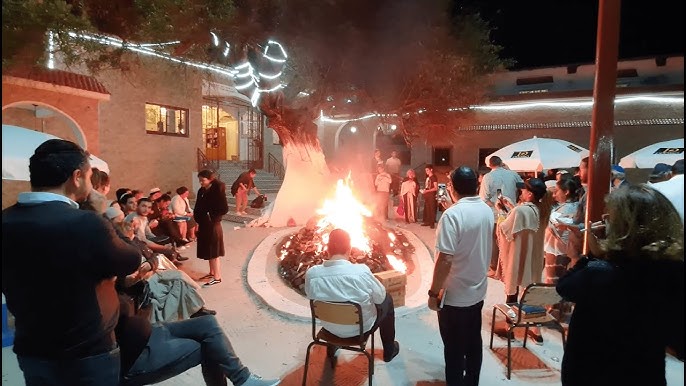
Hiloulot are gatherings where Jews return to their ancestral villages or regions. These events, often centered around the graves of revered saints, allow for reunions with former neighbors and friends who may have migrated to Moroccan cities or abroad. While some hiloulot attract thousands of participants from around the world, many are smaller, local affairs.
The primary religious purpose of a hiloula is to seek divine intervention for a good life and the resolution of personal problems. Participants engage in various rituals, such as lighting candles, touching the memorial stone, and praying at the saint’s tomb. Many believe that these actions enhance the power of their prayers compared to those offered in a synagogue or at home.
However, it’s important to note that Moroccan Jews maintain a delicate balance in their beliefs. While they may seek the intercession of the saint, they firmly deny praying directly to the saint or considering them an intermediary between humans and God. Instead, they view the saint’s tomb as a sacred site where their prayers are more likely to be heard and answered.
Some saints are particularly revered for their perceived power to grant specific wishes. For instance, men seeking marriage or women desiring children may visit the tombs of saints known for their efficacy in these matters.
Hiloulot are not only religious events but also joyous social occasions. They are marked by feasting, music, and communal celebration. In larger hiloulot, families often rent rooms to host gatherings with friends, where they indulge in a variety of foods and drinks.
Andalusian music, played by orchestras, adds to the festive atmosphere. Women, in particular, play a significant role in the hospitality of hiloulot. They offer food and drink to fellow attendees, believing it to be a mitzvah (good deed). The festivities often involve the consumption of alcohol, such as whiskey, wine, and homemade mahia. As participants enjoy these refreshments, they sing Hebrew songs and share stories, further strengthening the sense of community and tradition.

Often, the caretakers of the saint’s tomb use the hiloula as an opportunity to raise funds for their ongoing work. They do this by auctioning off large candles and other memorabilia to the highest bidders.
Government officials, such as the Governor or Caid, often attend ceremonies at the saints’ tombs as representatives of the King. These occasions provide an opportunity for Jews to publicly express their loyalty to the King and pray for his well-being.
Many of the saints honored in these ceremonies have been deceased for over two centuries. The decision to elevate a learned and pious Jew to sainthood was typically made by the local Jewish community. Some of these saints were originally from the land of Israel and came to Morocco to raise funds for yeshivas. Others were local sages who served as sources of wisdom and guidance for the community.
What to do in Uluwatu Bali

The tradition of praying at the tombs of Jewish saints seems to have its roots in similar practices followed by Moroccan Muslims. It’s likely that the Amazigh people, rather than the Arabs, were the original source of this practice in Morocco. Across the country, one can observe rounded white structures housing Muslim saints, known as marabouts.
Pilgrimages to these marabouts, celebrated as moussems, involve rituals similar to those of hiloulot. Muslims light candles and pray at the tombs, mirroring the practices of Jewish pilgrims.
The largest pilgrimage of this kind occurs in Ouezzane, situated in the foothills of the Rif Mountains. Rabbi Amram Ben Diwan, who came to Morocco in the 1770s to raise funds for yeshivas in Hebron, Palestine, was tragically trapped in Meknes for seven years due to political instability. He eventually passed away in Ouezzane.
Another significant festival takes place in Ben Ahmed, near Settat, to honor Saint Rabbi Yahia Lakhdar. Additionally, smaller hiloulot are held at the synagogue in Bab Mellah, Rabat, and the Jewish cemetery in Salé.
During the holiday of Lag B’Omer, visitors are welcome to attend hiloulot across Morocco. Jewish community leaders can provide guidance on the specific locations and timings of these festivals.
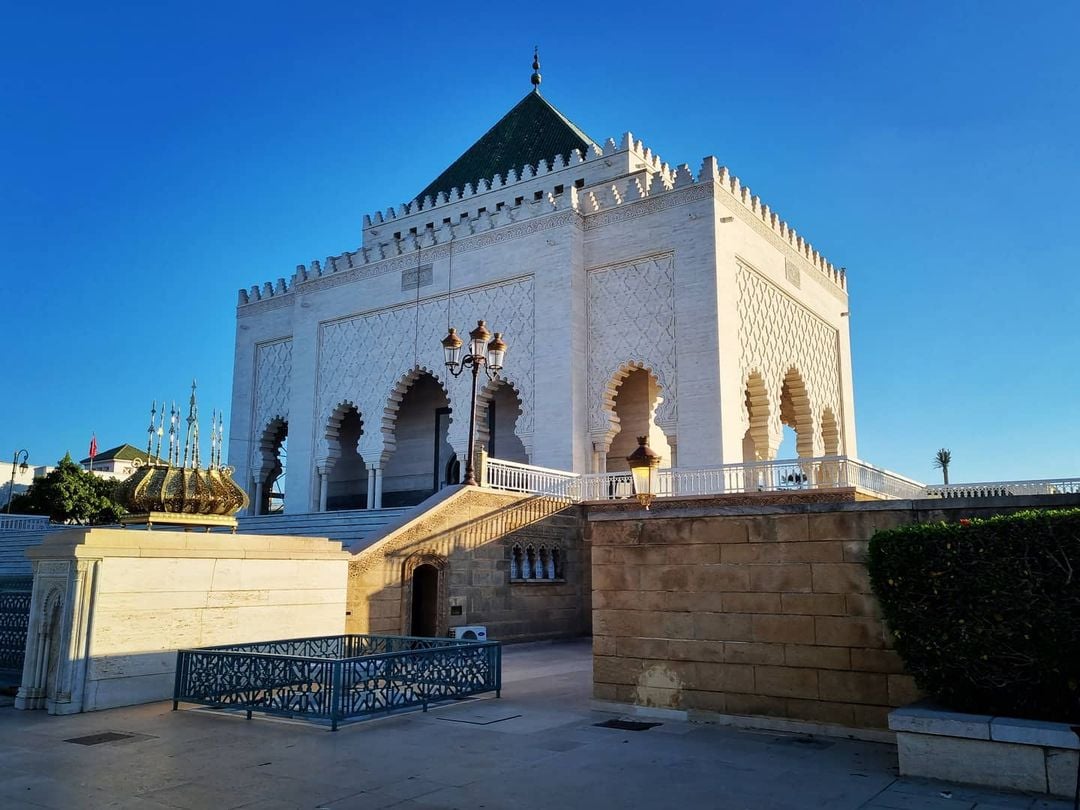
While some Muslims believe that certain Jewish saints possess greater power than Muslim saints, it’s intriguing to note that some Jews revere the late King Mohammed V as a saintly figure. They honor his memory for his courageous efforts in protecting the Jewish community from the Nazi-controlled French Vichy government during World War II.
To preserve and promote the tradition of hiloulot and the upkeep of Jewish saints’ tombs, the Jewish community has established the Commission on Jewish Saints in Morocco.
Several books have been written on Jewish saints, with “Saint Veneration Among Jews in Morocco” by Issachar Ben Ami being a notable example. This book delves into the reasons behind the significance of saints in Moroccan Jewish life and provides historical context for many of these revered figures.